- Builder and Developer Insights
- Posts
- Vendor Performance Management System
Vendor Performance Management System
In partnership with


Good morning!
April is moving fast, and the focus now is simple: finish what we started and do it well. I’m seeing strong execution across the team - keep using the tools that give us speed, but don’t lose the human judgment that sets us apart. If we stay disciplined this week, we’ll carry real momentum into what’s next.
— Lucas Robinson, Founder & CEO at BudgetMailboxes.com
🎯 This Week’s Strategy:
Vendor Performance Management System
🛠️ Boardroom Brief:
Lifestyle-Led Communities Are Driving the Next Wave of Housing Demand
Strategy
🎯 Vendor Performance Management System
In today’s construction and development landscape, your vendors are not just suppliers, they are critical extensions of your execution capability. A Vendor Performance Management System (VPMS) is a structured approach to evaluating, monitoring, and optimizing vendor performance across key metrics such as quality, cost, reliability, and timelines.
Instead of reacting to delays or quality issues after they occur, this strategy enables builders and developers to proactively manage vendor relationships using data. The result: fewer project disruptions, stronger accountability, and consistently higher project outcomes.
Organizations that implement a VPMS gain better control over procurement risks, improve negotiation leverage, and build a high-performing vendor ecosystem that scales with their projects.
How to Implement a Vendor Performance Management System
✅ Define Clear Performance Metrics
Start by identifying the KPIs that matter most to your projects - on-time delivery, defect rates, cost variance, safety compliance, and responsiveness. Ensure these metrics are measurable and aligned with project goals.
✅ Standardize Vendor Evaluation Frameworks
Create a consistent scoring system to evaluate all vendors. This can include scorecards or weighted rating models that allow you to objectively compare performance across suppliers.
✅ Leverage Digital Tools for Tracking
Use construction management software or procurement platforms to track vendor performance in real time. Centralized dashboards help identify trends, flag risks early, and maintain transparency.
✅ Establish Regular Review Cycles
Conduct periodic performance reviews with vendors - monthly or quarterly. Share feedback, discuss gaps, and align on improvement plans to ensure continuous performance enhancement.
✅ Incentivize High Performance
Reward top-performing vendors with repeat contracts, faster payments, or preferred vendor status. At the same time, set clear consequences for underperformance to maintain accountability.
Why It Matters
In an industry where delays and cost overruns are often driven by vendor inefficiencies, a Vendor Performance Management System gives you a decisive advantage. It transforms vendor management from a reactive process into a strategic function - one that directly impacts project timelines, cost control, and overall quality.
By systematically managing vendor performance, builders and developers can reduce risk, improve collaboration, and deliver projects with greater precision and confidence.
Now is the time to move beyond informal vendor relationships - build a data-driven system that ensures every partner contributes to your success.
The Biggest Knock on Private Credit? Percent Changed That.

The number one knock on private credit has always been the same: you can't get out. Lock in for 12 or 24 months, hope things go as planned, wait. Percent changed that in December 2025 with a secondary marketplace. Browse live bid and ask data on seasoned deals, submit an indication of interest to buy or sell, and Percent coordinates the match. For accredited investors who want private credit yields without locking up capital indefinitely, you can do that now. The numbers as of Q4 2025: · $1.82B funded across 981 deals · 16.72% current weighted average coupon · 0.58% lifetime charge-off rate Very few individual investor platforms offer this. New investors can receive up to $500 on their first investment.
Alternative investments are speculative. Secondary liquidity not guaranteed. Past performance not indicative. Terms apply.
Boardroom Brief
Lifestyle-Led Communities Are Driving the Next Wave of Housing Demand
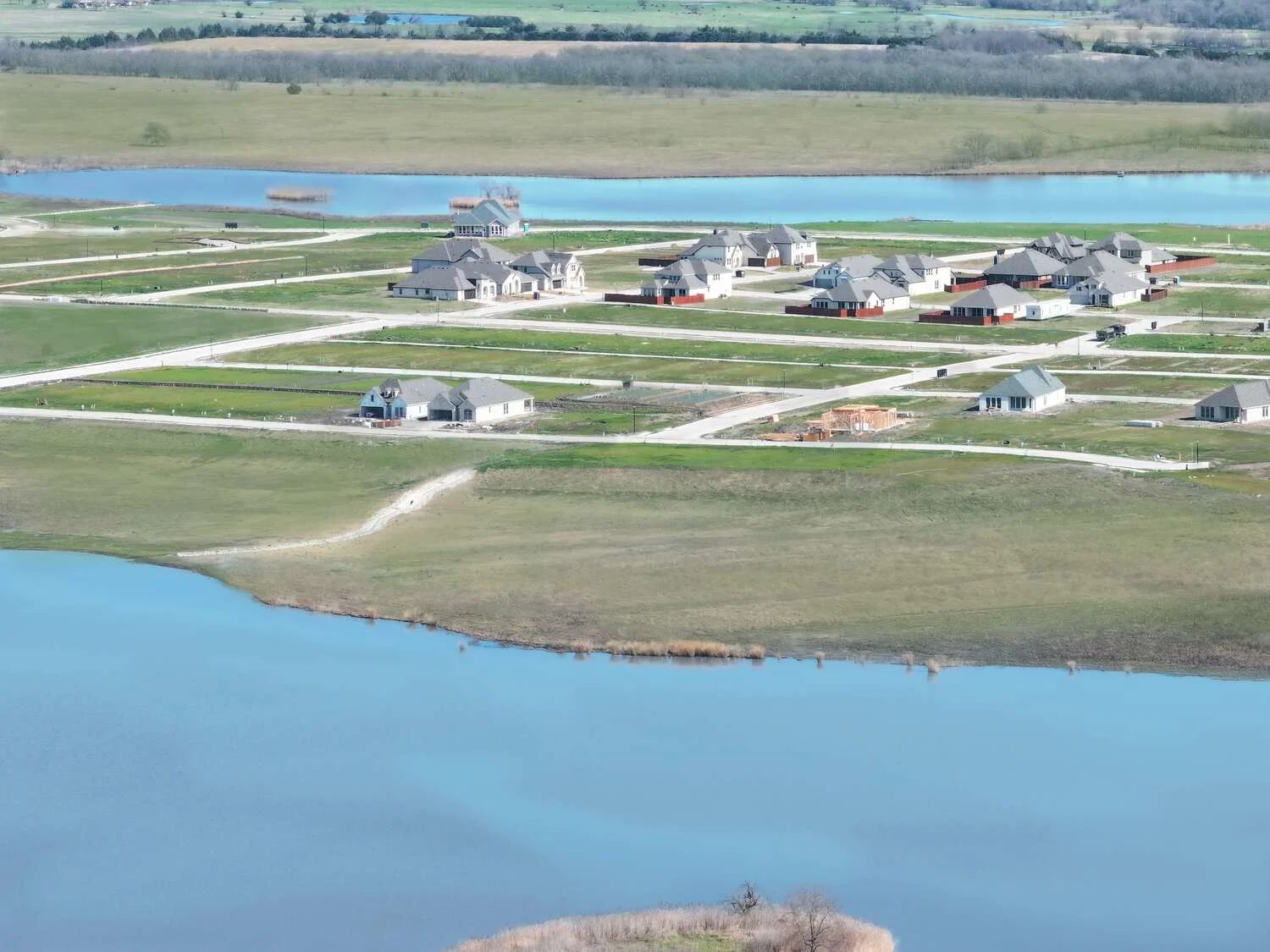
A $1.5 billion master-planned development near Forney, Texas, is launching model homes this week, signaling continued momentum behind large-scale, lifestyle-driven residential projects. Spanning nearly 1,100 acres with 2,700 planned homes, extensive open space, and amenities anchored around natural features like lakes, the project reflects a strategic shift. Developers are no longer just selling homes but curated living experiences. With a diverse mix of builders, flexible pricing, and phased delivery starting with 406 homesites, the project demonstrates how developers are reducing risk while aligning with buyer demand for community, connectivity, and environment. For builders and developers, this reinforces a clear direction. Future-ready projects must integrate lifestyle design, builder diversity, and phased execution to remain competitive in evolving housing markets.
Game
🎉 Fun Finale: Play & Poll
What will be the biggest driver of success for large-scale housing developments in today’s market?(Tap on your answer) |
 Real workflows. Real results | Curious About Agentic AI?A FREE community where agentic AI workflows are built and shared. |
Built for builders. Not buzzwords. San José 2026

500+ speakers. 18 content tracks. Workshops, masterclasses, and the people actually shipping the tools you use every day. WeAreDevelopers World Congress — September 23–25. Use code GITPUSH26 for 10% off.