- Builder and Developer Insights
- Posts
- Resident Education Strategy
Resident Education Strategy
In partnership with


Good morning!
We’re stepping into this week with steady momentum, and I want us to protect that pace by focusing on the work that truly moves us forward. When we cut the noise and act with intention, we make space for better ideas and better execution. Let’s keep things simple, stay aligned, and finish the week a little stronger than we started.
— Lucas Robinson, Founder & CEO at BudgetMailboxes.com
🎯 This Week’s Strategy:
Resident Education Strategy
🛠️ Boardroom Brief:
Builder Coalition Expands Access and Equity in Boston’s Real Estate Sector
Strategy
🎯 Resident Education Strategy
As the housing industry becomes increasingly focused on long-term satisfaction, operational efficiency, and community retention, Resident Education is emerging as a critical strategy for builders and developers. Educating residents, whether homeowners or renters on how to properly use, maintain, and care for their homes not only improves the resident experience but also protects the long-term performance of the property.
From reducing unnecessary maintenance requests to improving safety and prolonging the lifespan of building systems, a strong Resident Education program empowers people with the knowledge they need to live comfortably and confidently in the spaces you’ve created.
How to Implement a Resident Education Strategy
✅ Develop Clear, Easy-to-Understand Guides
Provide residents with digital or printed guides that explain essential home systems, appliance use, routine maintenance tasks, and troubleshooting tips. Use simple language and visuals to make the content accessible for all experience levels.
✅ Use Multiple Learning Formats
Different residents absorb information differently. Offer education through short video tutorials, step-by-step checklists, in-unit signage, and an online knowledge hub. This maximizes engagement and makes information available exactly when residents need it.
✅ Provide Move-In Orientation
Host brief orientation sessions, virtual or on-site, to walk residents through key systems like HVAC, plumbing shutoffs, smart home technology, and community rules. Orientation significantly reduces early-stage service calls and misunderstandings.
✅ Offer Ongoing Seasonal Tips
Send quarterly or seasonal reminders covering tasks such as filter changes, freeze prevention, pest control, and fire safety. Timely nudges help residents stay proactive and prevent costly issues.
✅ Integrate Technology for On-Demand Support
Use resident portals or smart-building apps to deliver instant access to FAQs, maintenance guides, and diagnostic tools. The easier it is for residents to find answers, the fewer reactive service needs your team will face.
Why It Matters
A well-designed Resident Education program drives value on multiple levels:
Fewer maintenance requests and avoidable service calls, lowering operational costs.
Greater resident satisfaction and retention, a major differentiator in today’s competitive housing markets.
Improved building performance and longevity, as proper use reduces system strain and premature wear.
Enhanced community trust and transparency, positioning your organization as a partner, not just a provider.
By investing in Resident Education, builders and developers can create more resilient communities, streamline operations, and elevate the overall living experience. It’s a strategic win for both the resident and the long-term asset.
Learn how to make every AI investment count.
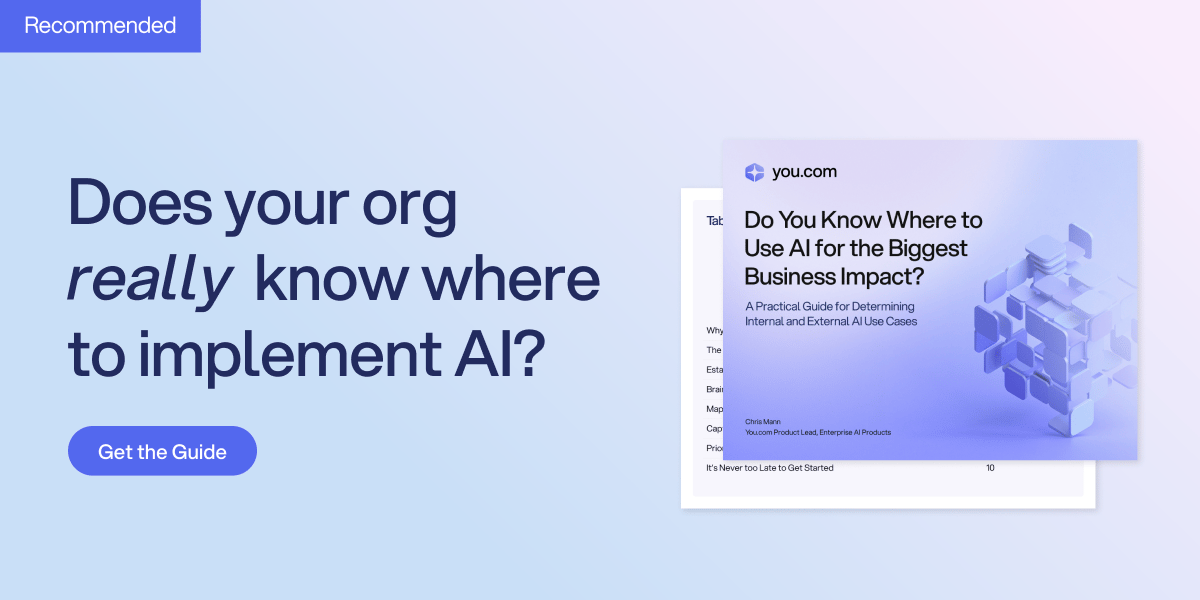
Successful AI transformation starts with deeply understanding your organization’s most critical use cases. We recommend this practical guide from You.com that walks through a proven framework to identify, prioritize, and document high-value AI opportunities.
In this AI Use Case Discovery Guide, you’ll learn how to:
Map internal workflows and customer journeys to pinpoint where AI can drive measurable ROI
Ask the right questions when it comes to AI use cases
Align cross-functional teams and stakeholders for a unified, scalable approach
Boardroom Brief
Builder Coalition Expands Access and Equity in Boston’s Real Estate Sector

The Builder Coalition is gaining national attention as it accelerates efforts to make Boston’s real estate and construction industries more accessible, equitable, and economically inclusive. Led by founder, Dave Madan, recently named to the Boston Business Journal’s Power 50 - the organization continues to close longstanding gaps in industry representation through its two-pronged model: the TBC Institute, which delivers technical training, mentorship, and fellowships for emerging developers, and the TBC Innovation Center, which researches and promotes best practices for expanding access to land, capital, and education. With a network of 500 - 600 professionals of color, 1,032 housing units delivered by fellows, and over $507 million managed in real estate investments, TBC is demonstrating measurable success in developing new talent and scaling small firms into mid-sized players. As minority developers nationwide continue to face significant revenue and opportunity gaps, TBC’s model - backed by major investor interest at its inaugural Capital Investors Summit - offers a blueprint for addressing systemic barriers, supporting inclusive prosperity, and reshaping who gets to participate in the economic engine of real estate development.
Game
🎉 Fun Finale: Play & Poll
Which aspect of The Builder Coalition’s work do you think will have the greatest long-term impact on the real estate and construction industry?(Tap on your answer) |
|
 Real workflows. Real results | Curious About Agentic AI?A FREE community where agentic AI workflows are built and shared. |
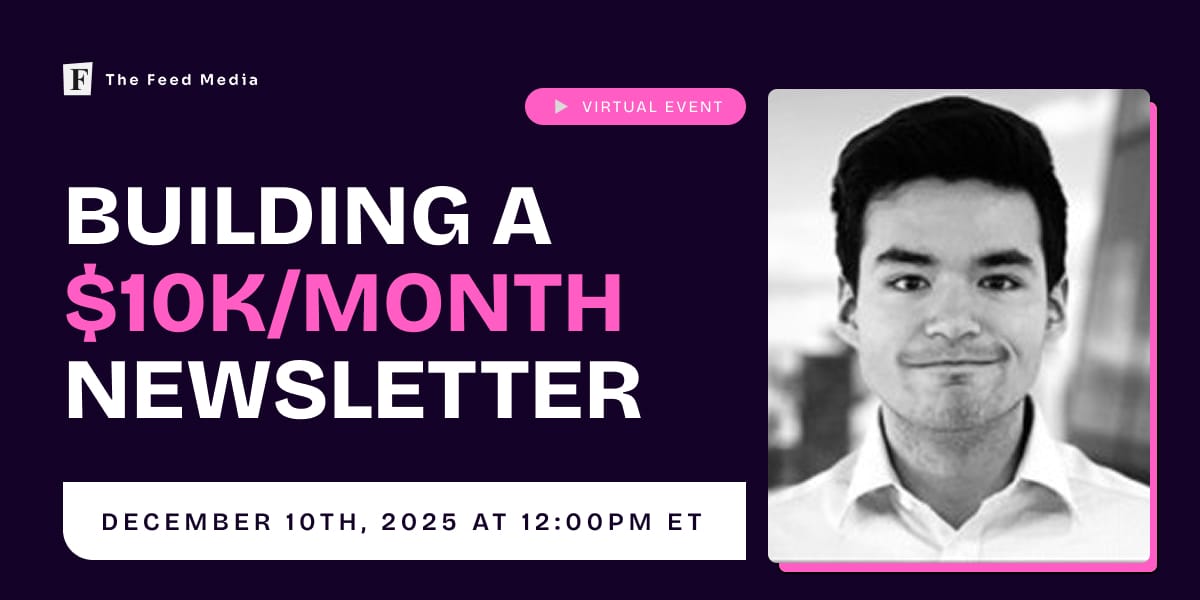
What do Tom Brady, Alex Hormozi, and Jay Shetty all have in common?
They have a newsletter (like the one you’re reading) because:
Social posts reach 10% of your audience while 40-50% of emails get opened
You only have to write 2-4x per month to book calls and launch products
Creators and founders are getting a 35:1 return selling with email
We’re hosting a free workshop on December 10th to help you launch a newsletter that immediately begins generating revenue.
You’ll learn how to select a niche, grow your list, and convert readers into customers.