- Builder and Developer Insights
- Posts
- Community Energy Transition Strategy
Community Energy Transition Strategy
In partnership with


Good morning!
It’s the last Monday of February, and I’m proud of the steady progress we’ve made through focused, disciplined work. Let’s carry this momentum into March with clarity and purpose.
— Lucas Robinson, Founder & CEO at BudgetMailboxes.com
🎯 This Week’s Strategy:
Community Energy Transition Strategy
🛠️ Boardroom Brief:
$1.7B Westside Village Breaks Ground, Signaling Long-Term Mixed-Use Confidence
Strategy
🎯 Community Energy Transition Strategy
Energy costs are rising, regulations are tightening, and buyers and tenants are prioritizing sustainability more than ever. A Community Energy Transition Strategy positions developers and builders to lead the shift toward cleaner, more resilient energy systems at the neighborhood scale, not just the building level.
This strategy focuses on integrating renewable energy, energy storage, electrification, and smart grid infrastructure across entire communities. Instead of treating each building as an isolated energy consumer, the development functions as a coordinated energy ecosystem.
Developers who adopt this approach can reduce long-term operating costs, increase asset value, improve grid resilience, attract ESG-focused investors, and future-proof projects against evolving building codes and carbon regulations.
How to Implement a Community Energy Transition Strategy
✅ Conduct a Community-Level Energy Assessment
Begin with a comprehensive energy master plan. Model projected demand loads, peak usage periods, electrification potential, and long-term grid constraints. Identify opportunities for shared solar, battery storage, district energy systems, or microgrids.
✅ Integrate Distributed Renewable Energy
Incorporate rooftop solar, community solar gardens, or small-scale wind where feasible. Pair renewables with battery storage systems to manage peak demand and improve reliability. Shared systems often provide better ROI than building-by-building installations.
✅ Design for Electrification
Prioritize all-electric building systems - heat pumps, induction cooking, electric water heating, and EV charging infrastructure. Design electrical capacity and panel space to support future load growth as transportation and appliances electrify.
✅ Implement Smart Energy Management Systems
Deploy smart meters, demand-response systems, and real-time monitoring platforms across the development. These tools optimize energy usage, reduce peak load charges, and allow participation in utility incentive programs.
✅ Explore Public-Private and Utility Partnerships
Coordinate early with utilities, municipalities, and clean energy providers. Many regions offer grants, tax incentives, infrastructure funding, or community solar programs that can significantly offset upfront capital costs.
Why It Matters
Energy is no longer just an operational expense, it’s a strategic asset. Communities built with integrated renewable systems and smart infrastructure are more resilient to outages, less exposed to volatile utility pricing, and more attractive to environmentally conscious buyers and tenants.
As cities move toward net-zero targets and grid modernization accelerates, developers who proactively implement community energy transition strategies will gain a competitive advantage in entitlement approvals, financing, and long-term asset performance.
The future of development isn’t just about building structures, it’s about building energy-smart communities designed for resilience, efficiency, and long-term value.
Ship the message as fast as you think

Founders spend too much time drafting the same kinds of messages. Wispr Flow turns spoken thinking into final-draft writing so you can record investor updates, product briefs, and run-of-the-mill status notes by voice. Use saved snippets for recurring intros, insert calendar links by voice, and keep comms consistent across the team. It preserves your tone, fixes punctuation, and formats lists so you send confident messages fast. Works on Mac, Windows, and iPhone. Try Wispr Flow for founders.
Boardroom Brief
$1.7B Westside Village Breaks Ground, Signaling Long-Term Mixed-Use Confidence
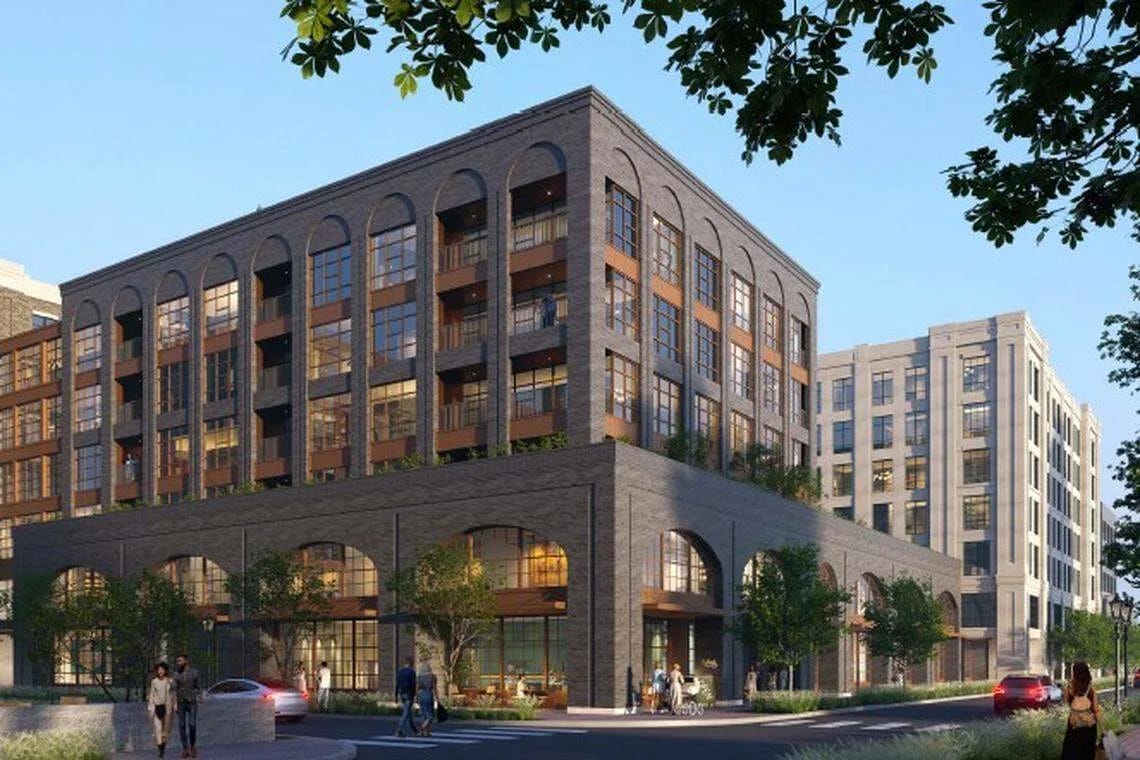
Construction is officially underway on the $1.7 billion Westside Village development at North University and Westside drives, marking one of the most ambitious mixed-use projects in Fort Worth’s recent history. The 37-acre, 15-year, four-phase development will ultimately deliver approximately 880,000 square feet of office space, 238,000 square feet of retail, 1,785 residential units, and a luxury hotel, with the first phase anchored by a 300-plus-unit luxury apartment community, 100,000 square feet of Class A office space, restaurants, retail, and structured underground parking. Notably, the office component alone represents the largest addition to the city’s inventory in more than four decades, underscoring sustained confidence in long-term office demand within a diversified, walkable district model. Backed by a $125 million city grant package to mitigate site flooding risks, the project reflects how public-private alignment, phased capital deployment, and integrated placemaking continue to define large-scale urban redevelopment strategy, with full buildout projected by 2035 and first-phase delivery targeted for 2028.
Game
🎉 Fun Finale: Play & Poll
What is the most strategically significant aspect of the $1.7B Westside Village development for today’s builders and developers?(Tap on your answer) |
|
 Real workflows. Real results | Curious About Agentic AI?A FREE community where agentic AI workflows are built and shared. |
Trusted by 125K+ IT pros

Modern IT decisions don’t come from a single headline—they come from understanding how everything connects.
IT Brew brings together the stories shaping the IT landscape, from cybersecurity and cloud to enterprise software and IT operations, so teams can see the full picture—not just isolated updates.
Less scrolling. Better context. Smarter decisions. And it’s completely free.